


Embracing Change: Clinical Pilates for Menopausal Women
Updated: Sep 9
Menopause isn’t a decline; it’s a physiological transition. This change impacts not just hormones but also bones, joints, muscle mass, posture, sleep, cognition, and emotional health. At HEILEN, we support clients in their 40s, 50s, and beyond as they navigate this stage. Often, they hear to "move more" or "lift weights," but they rarely receive the nuanced support their changing bodies truly need.
That’s where clinical Pilates comes in. Our approach differs from large, fitness-based classes. When delivered intentionally, Pilates is one of the most effective and respectful forms of movement for this time of life.
The Science Behind Pilates & Menopause
Let’s explore how Pilates directly supports the key physiological challenges of menopause, backed by research.
Loss of Muscle Mass & Strength
During and after menopause, estrogen decline leads to sarcopenia (loss of muscle mass and strength). This impacts function, balance, and metabolic health.
Progressive resistance training - like Pilates using springs, bands, or bodyweight - has been shown to preserve and rebuild muscle mass.
A 2020 review in Menopause found that resistance-based exercise programs improved physical performance and reduced fall risk in postmenopausal women. [PMID: 32011399]
Bone Density & Osteoporosis Prevention
Estrogen plays a crucial role in maintaining bone mineral density. Its decline increases the risk of osteopenia and osteoporosis, especially in the spine, hips, and wrists.
A 2021 meta-analysis found that Pilates improved lumbar spine bone density in postmenopausal women. [PMID: 33923790]
Weight-bearing, resistance-based Pilates promotes safe spinal loading without high impact.
Posture & Joint Health
Postural changes often worsen during menopause due to reduced core strength, spinal compression, and altered proprioception.
Pilates helps retrain alignment, decompress the spine, and strengthen stabilising muscles that support joint integrity - especially knees, hips, shoulders, and wrists.
Pelvic Floor, Core Function & Bladder Support
Menopause can reduce tissue elasticity, leading to pelvic floor dysfunction, bladder leakage, or core instability - especially post-childbirth.
Clinical Pilates emphasises breath-led core activation, pelvic floor awareness, and functional load-bearing through neutral alignment - all essential for long-term pelvic health.
Fatigue, Sleep & Emotional Resilience
Beyond the physical, many clients report fatigue, poor sleep, mood changes, and brain fog during menopause.
Pilates supports the nervous system, calms the stress response, and encourages mind-body integration - all contributing to improved emotional wellbeing, clarity, and energy.
Why Clinical Pilates Is Best for This Stage of Life
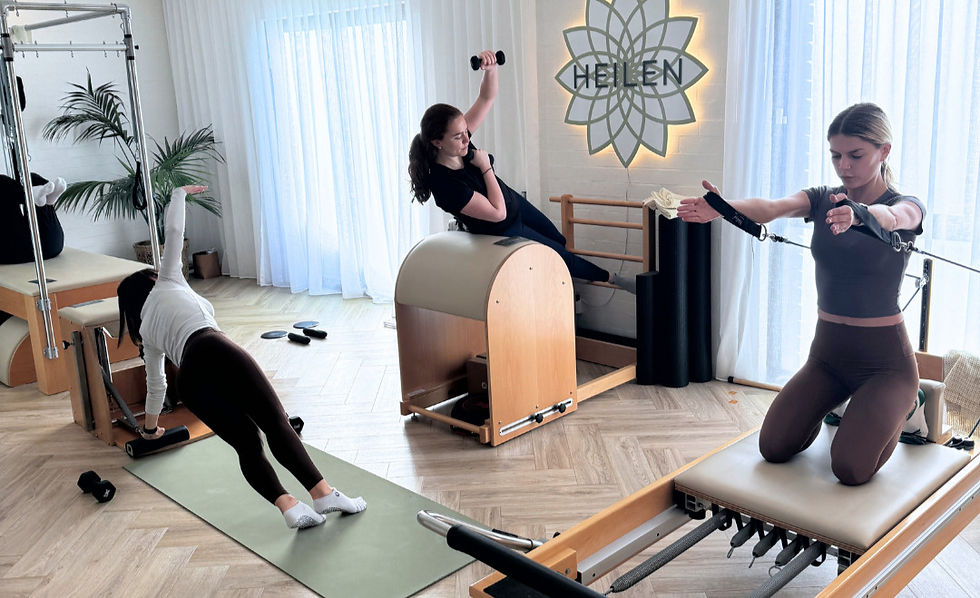
Not all Pilates is created equal. Not all bodies benefit from being pushed harder. At HEILEN, we offer small group (max 6) and private sessions that are:
Clinically-informed (not generic fitness)
Taught by comprehensively trained instructors
Adapted to your changing needs week to week
Rooted in breath, biomechanics, and whole-body connection
Calm, supportive, and deeply respectful of your season of life
Whether you’re new to Pilates or already practicing, you deserve to move in a way that makes you feel strong, supported, and celebrated.
Ready to Begin?
We recommend two gentle, empowering ways to start:
The HEILEN Week – $85
Enjoy 7 days of unlimited Reformer, Mat & Studio classes to experience the HEILEN method firsthand. ($30 off? Use the code HEILEN30)
The HEILEN Intensive – $495
Our private introductory package includes a full movement assessment and 2 one-on-one sessions tailored to your goals and needs.
Movement in Midlife: Tuning In
Movement in midlife isn’t about keeping up; it’s about tuning in. Your body is wise. Let’s honour it and move forward with care.
Together, we can embrace this journey and find vitality through personalized movement.


Comments